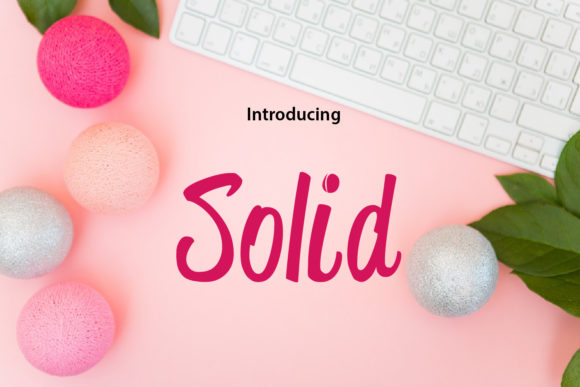
Discover Solid: A Charming Handwritten Font for Web Design
As a web designer, I’m always on the lookout for fonts that can add a unique and personal touch to my projects. Recently, I had the pleasure of testing Solid, a sweet and friendly handwritten font, in a real website layout. Its natural and unique style makes it incredibly fitting for a wide range of digital designs, from creative portfolios to boutique online stores.
A Visual Personality That Stands Out
Solid is a premium font with a charming, handwritten feel. Its visual personality is both inviting and distinctive, making it an excellent choice for adding a human touch to your web designs. The font’s natural flow and unique style make it stand out, giving your website a more personal and engaging look.
Testing Solid in Real Web Layouts
I decided to test Solid in a few different sections of a creative portfolio website. First, I used it in the hero section, where it immediately caught the eye with its warm, handwritten appeal. The font’s readability was impressive, even at larger sizes, making it perfect for a bold and welcoming introduction.
Next, I tried Solid in the section headings. It worked beautifully, adding a touch of creativity and personality to the page. The font’s natural style complemented the clean, modern layout, creating a balanced and visually appealing design.
Responsive Design and Readability
One of the key aspects of web design is ensuring that your site looks great on all devices. I tested Solid on both desktop and mobile screens, and it performed admirably. On smaller screens, the font maintained its readability and charm, making it a versatile choice for responsive layouts.
For mobile users, Solid was particularly effective in call-to-action areas and buttons. Its clear, handwritten style added a personal touch, encouraging users to engage with the content. However, I would caution against using it for very small text or dense information, as it may become less legible.
Using Solid in Different Web Elements
Solid is a versatile font that can be used in various web elements to enhance the overall design. Here are some practical examples:
- Hero Titles: Use Solid for a bold and welcoming headline in the hero section. Its handwritten style adds a personal and creative touch.
- Section Headings: Incorporate Solid in section headings to break up the content and add visual interest. This works especially well in creative and lifestyle websites.
- Buttons and CTAs: Add Solid to buttons and call-to-action areas to make them stand out and encourage user interaction.
- Logo Text: Consider using Solid for a logo or brand name, especially if you want a friendly and approachable feel.
- Decorative Accents: Use Solid for decorative accents, such as quotes or special messages, to add a unique and personal touch.
Font Pairing and Brand Consistency
When using Solid in web design, it’s important to pair it with complementary fonts to maintain a balanced and professional look. I recommend pairing Solid with a simple sans serif font for body copy, such as Arial or Helvetica. This combination ensures that the main content remains highly readable while allowing Solid to shine in more prominent areas.
For a more editorial and sophisticated look, you could also consider pairing Solid with a clean serif font like Georgia or Times New Roman. This creates a harmonious and elegant design, perfect for blogs, magazines, and other content-heavy sites.
Practical Tips for Using Solid in Web Design
Here are some practical tips to help you get the most out of Solid in your web design projects:
- Check Included Styles and Alternates: Before using Solid, review the included styles, alternates, and ligatures to find the best fit for your design. This can help you create a more customized and unique look.
- Test on Multiple Devices: Ensure that Solid looks good on both desktop and mobile screens. Test it in different contexts, such as over images, on dark and light backgrounds, and in various sizes.
- Consider Webfont Availability: Make sure Solid is available as a webfont and check the file formats (e.g., WOFF, WOFF2) to ensure compatibility and fast loading times.
- Multilingual Support: If your website targets a global audience, check that Solid supports the languages and characters you need. This is crucial for maintaining a consistent and professional look across different regions.
- Commercial Licensing: If you plan to use Solid for client projects, online stores, or commercial websites, make sure to purchase the appropriate commercial license. This ensures that you are compliant with the font’s usage terms and can use it without any legal issues.
In conclusion, Solid is a fantastic handwritten font that can add a unique and personal touch to your web designs. Its natural and friendly style makes it a versatile choice for a variety of web elements, from hero titles to decorative accents. By following the practical tips and considerations outlined above, you can effectively incorporate Solid into your web projects, creating a more engaging and visually appealing experience for your users.